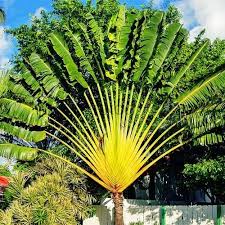
Discover the fascinating world of the travelers palm, also known as Ravenala madagascariensis, and learn about its unique features, origins, and care tips for growing the travel palm plant.
The Traveler’s Palm, scientifically known as Ravenala madagascariensis, is one of the most captivating and iconic plants in the world. Native to the island of Madagascar, this remarkable species is known for its distinct fan-shaped fronds and its interesting name, which gives a nod to the unique qualities it possesses. In this article, we will explore the travellers palm's origins, uses, care instructions, and its significance across different cultures.
What Is the Traveler’s Palm?
The Traveler’s Palm, often referred to as the Traveler Palm Tree or Traveler Palm, is a large, tropical plant native to Madagascar. Despite its name, the travelers palm is actually not a true palm; it belongs to the family Strelitziaceae, which also includes the well-known bird of paradise plant. This tree is best known for its striking appearance, which resembles a palm with long, graceful, fan-like leaves that spread out in a distinctive pattern, similar to the shape of a hand fan.
The travel palm plant grows in the tropical regions of Madagascar and has since been introduced to various parts of the world, including tropical climates in the United States, especially in Florida and parts of Southern California.
Features of the Traveler’s Palm
The travelers palm is a striking plant with several distinctive features:
-
Fan-shaped leaves: The leaves of the travellers palm are arranged in a fan-like pattern, creating a unique and dramatic visual effect. The fronds grow from a central point at the top of the trunk, similar to a large hand fan.
-
Large size: A mature traveler palm tree can grow up to 30 feet (9 meters) tall, making it an impressive addition to any garden or landscape.
-
Distinctive trunk: The trunk of the traveler palm is robust and upright, typically measuring around 2 feet (0.6 meters) in diameter. It is smooth, pale gray, and often has a slightly swollen base.
-
Flowers: The flowers of the Ravenala madagascariensis are bright and attractive, typically white with shades of blue and orange, making them appealing to both people and pollinators.
Why Is It Called the Traveler’s Palm?
The name travelers palm comes from an interesting characteristic of the plant: its ability to collect rainwater in the base of its large leaves. In Madagascar, it was said that travelers could use this water to quench their thirst while trekking through the dry areas. The large leaves of the traveler palms gather rainwater, forming a reservoir that can last for some time, making it a lifeline for those in need.
This feature also gives rise to another interpretation of the name: the plant’s leaves, when spread out, resemble the orientation of a compass, allowing travelers to navigate or find directions in a pinch.
Growing the Traveler’s Palm
The travelers palm tree thrives in tropical or subtropical climates, preferring warm temperatures and plenty of sunlight. If you're considering adding a travelers palm to your garden or landscape, here are some tips for care and cultivation:
-
Climate requirements: The traveler palm requires a warm, humid climate to thrive. It is not frost-tolerant, so it should be grown in USDA hardiness zones 10-11 if outdoors. In cooler regions, it can be grown indoors or in greenhouses.
-
Watering: While the travel palm plant is relatively drought-tolerant once established, it prefers regular watering, especially during the growing season. The soil should be kept consistently moist, but not waterlogged.
-
Soil: Well-draining, rich, loamy soil is ideal for the traveler palm tree. Ensure that the soil has good aeration to prevent root rot.
-
Sunlight: The travelers palm enjoys full sun to partial shade. It will grow best when provided with at least 6 hours of sunlight each day.
-
Fertilization: To encourage healthy growth, fertilize the plant during the growing season using a balanced fertilizer. Reduce fertilization during the winter months when the plant is in a dormant phase.
-
Pruning: Remove dead or damaged leaves regularly to keep the plant looking neat and encourage healthy growth.
Common Uses of the Traveler’s Palm
The traveler’s palm is not just an ornamental plant. It has practical uses as well:
-
Landscaping: Due to its dramatic appearance and large size, the traveler palm tree is commonly used in landscaping to create tropical or exotic themes in gardens, parks, and resorts.
-
Medicinal Uses: In Madagascar, some traditional uses for the traveler’s palm include using its leaves for making baskets and for medicinal purposes. The plant’s leaves are believed to have some therapeutic properties, though further research is needed.
-
Water Source: As mentioned earlier, the travel palm plant was historically used by travelers as a source of fresh drinking water, especially in arid environments.
Where to See Traveler’s Palms
If you’re interested in seeing the traveler palm, it can be found in a variety of tropical and subtropical locations around the world. Here are some of the best places to find this unique tree:
-
Palm Beach Traveler RV Park in Florida has some spectacular examples of the traveler palm, offering a glimpse of this exotic plant in a park setting.
-
Florida and Southern California: These regions have seen the introduction of the traveler palms in public gardens, private estates, and parks.
-
Tropical regions of Asia, Africa, and the Pacific Islands: The Ravenala madagascariensis is also found in tropical areas like the Seychelles, where it thrives in lush environments.
The Traveler Palm and the Modern World
While the traveler palm has ancient origins, it continues to capture the attention of plant lovers and landscapers today. Its iconic look makes it a favorite among tropical plant enthusiasts, while its utility for travelers in Madagascar adds a layer of intrigue. Whether used in private gardens, parks, or public spaces, the traveler palm is an enduring symbol of adventure, resilience, and beauty.
Conclusion: The Beauty and Utility of the Traveler’s Palm
The travelers palm is more than just a beautiful tree—it’s a plant steeped in history and cultural significance. From its iconic fan-shaped leaves to its practical use as a water source for travelers, the Ravenala madagascariensis is truly one of nature’s wonders. By following proper care instructions and ensuring it’s grown in a suitable climate, anyone can enjoy the beauty of this fascinating plant in their garden. Whether you’re landscaping or simply appreciate the aesthetic value, the traveler palm tree is a stunning addition to any tropical or subtropical environment.